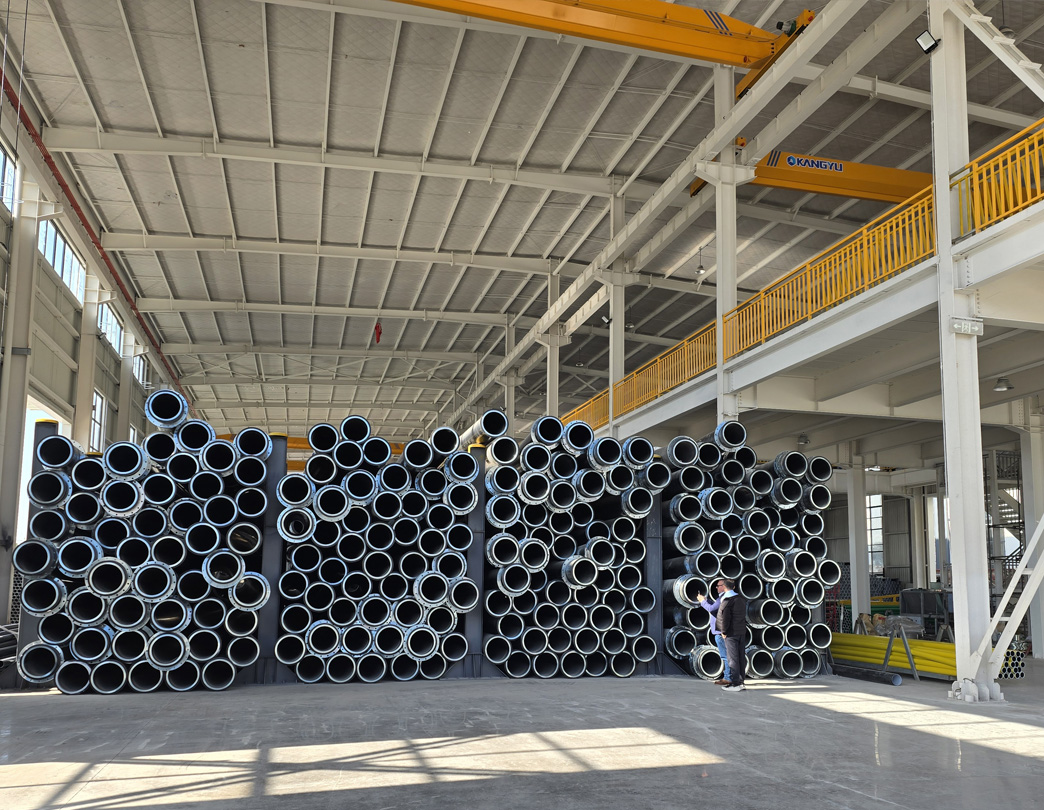

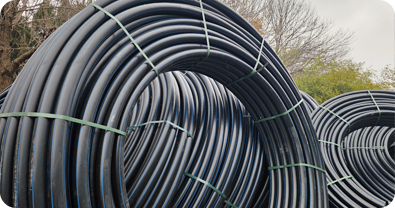
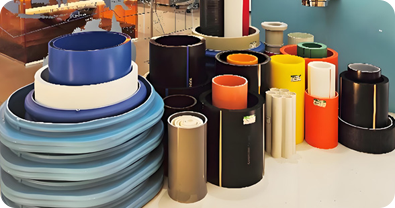
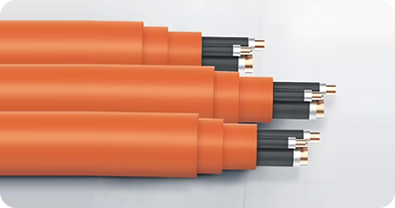
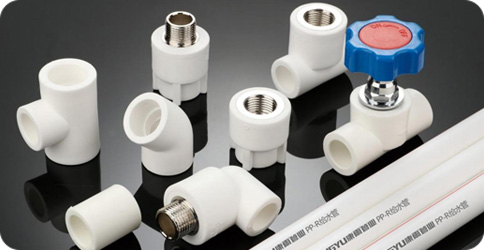
The siphon roof rainwater drainage system is a new type of rainwater drainage system that uses a siphon rainwater bucket that can isolate the air and precise pipeline hydraulic balance calculation. Relying on the potential energy of the building, the rainwater flows through the closed pipe system to form a full pipe flow, and falls outside the riser to produce a siphon effect, which is a new rainwater drainage system that quickly discharges the rainwater from the roof.
The siphon roof rainwater drainage system is a relatively advanced roof rainwater drainage system in the world today. This system has a history of nearly 40 years. It is widely used in roofs with large spans and complex structures such as large factories, exhibition halls, airports, sports fields, and high-rise buildings. Since the current design considers more factors such as the appearance of the building, ease of construction, increasing the usable area and service life of the building, the traditional gravity rainwater system is becoming increasingly stretched and cannot meet the increasingly progressive design concepts. Instead, the siphon rainwater system can not only solve some design difficulties that the traditional gravity rainwater system cannot achieve, but also has advantages that traditional systems cannot match in terms of saving pipe materials and construction volume.
Excellent negative pressure resistance, suitable for siphon drainage conditions
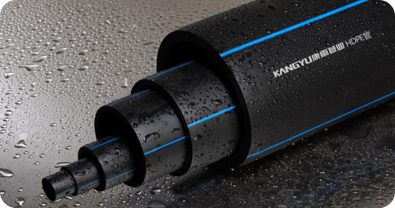
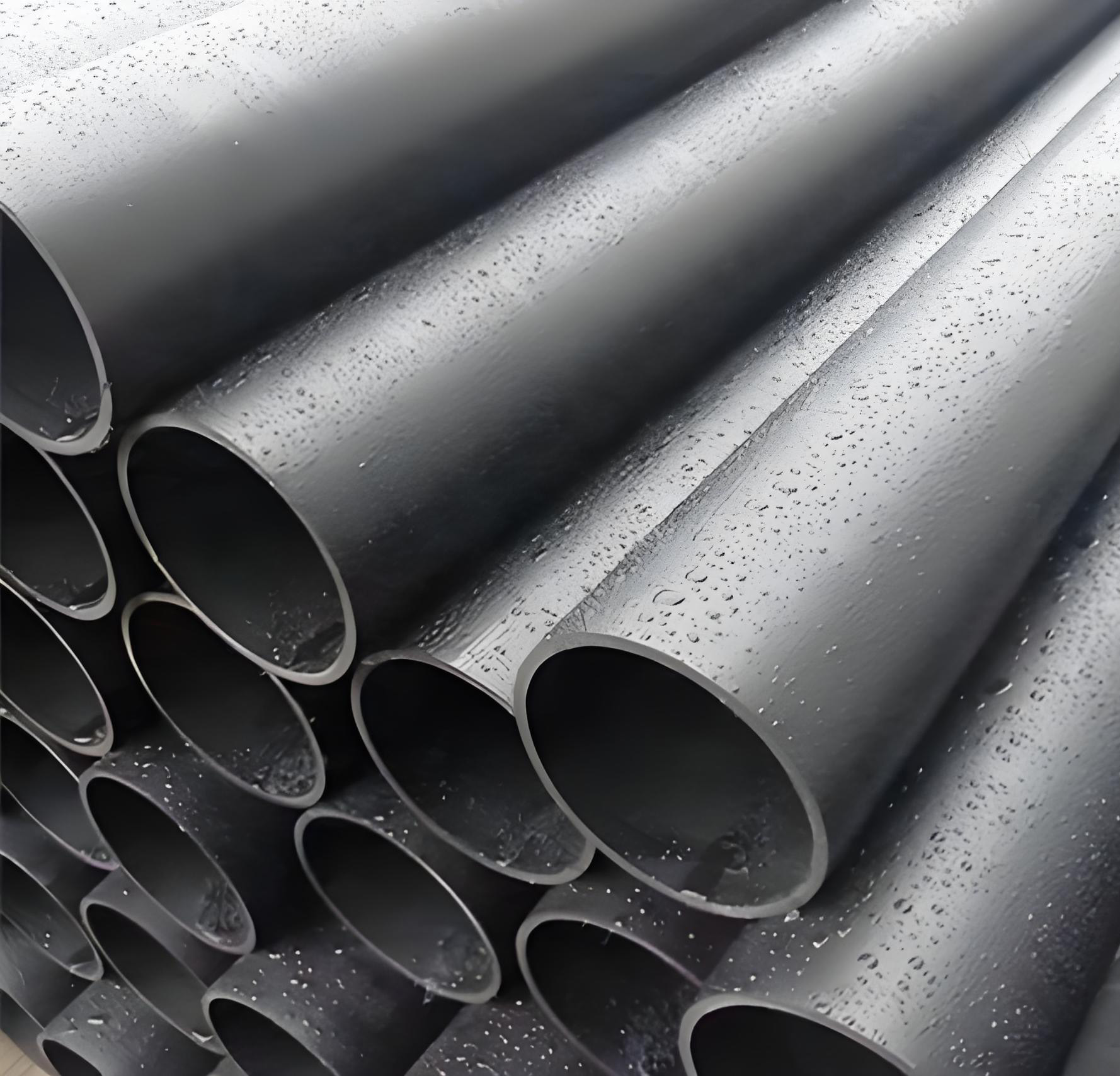
Special high-rigidity HDPE raw material can withstand the negative pressure suction of the siphon system, and the pipe will not collapse or deform;
Comply with GB 50242, ISO 4427, ASTM D3350
The inner wall is super smooth, and the drainage flow rate is fast and it is not easy to accumulate.
The inner wall roughness is ≤0.007mm, the friction resistance is small, rainwater and sediment are quickly discharged, and there is no sedimentation and blockage;
Comply with ISO 10838, AWWA M55
High toughness, impact resistance, external force damage and temperature deformation resistance
Elongation at break ≥800%, resistant to building settlement, thermal expansion and contraction, roof vibration, heavy object impact, and not brittle at low temperatures;
Comply with EN 1046, ISO 13479, GB/T 19472
Resistant to acid, alkali and corrosion, suitable for complex media of roof rainwater
Resistant to acid rain, roof impurities, microbial corrosion, no rust, no scaling, and stable long-term drainage performance;
Complies with ISO 4433, ASTM D1693, EN 12573
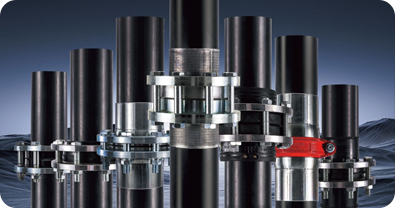
Hot melt integrated connection, sealed without leakage under negative pressure
Hot melt docking/electrofusion connection, the interface is integrated with the pipe body, and negative pressure drainage conditions prevent leakage and air leakage;
Comply with DVS 2207, EN 12814
Anti-aging and weather-resistant, suitable for outdoor building environments
Stable in a wide temperature range of minus 40°C to 60°C, resistant to ultraviolet rays, day and night temperature differences, seasonal freezing and thawing, and long-term use on roofs and outdoor risers;
Comply with ASTM F714, GB/T 18252Flexibly adapts to building deformation to reduce the risk of water leakage
The pipe has good flexibility and can adapt to slight settlement and displacement of the building body, reducing the risk of joint cracking;
Compliant with ISO 4427
Light weight, convenient for construction and installation
It is light in weight and easy to cut, making it easy to lay out roofs, exterior walls and indoor ceilings, and shorten the construction period;
Silent and noise reduction, improving indoor comfort in buildings
The material has good damping properties and low noise from falling rainwater. It is better than metal pipes and is suitable for high-rise and large public buildings;
Long service life and low comprehensive operation and maintenance costs
The design service life of building siphon drainage is ≥50 years, free of anti-corrosion maintenance, and suitable for factories, venues, and roof rainwater systems;
Comply with GB 50235, AWWA C906