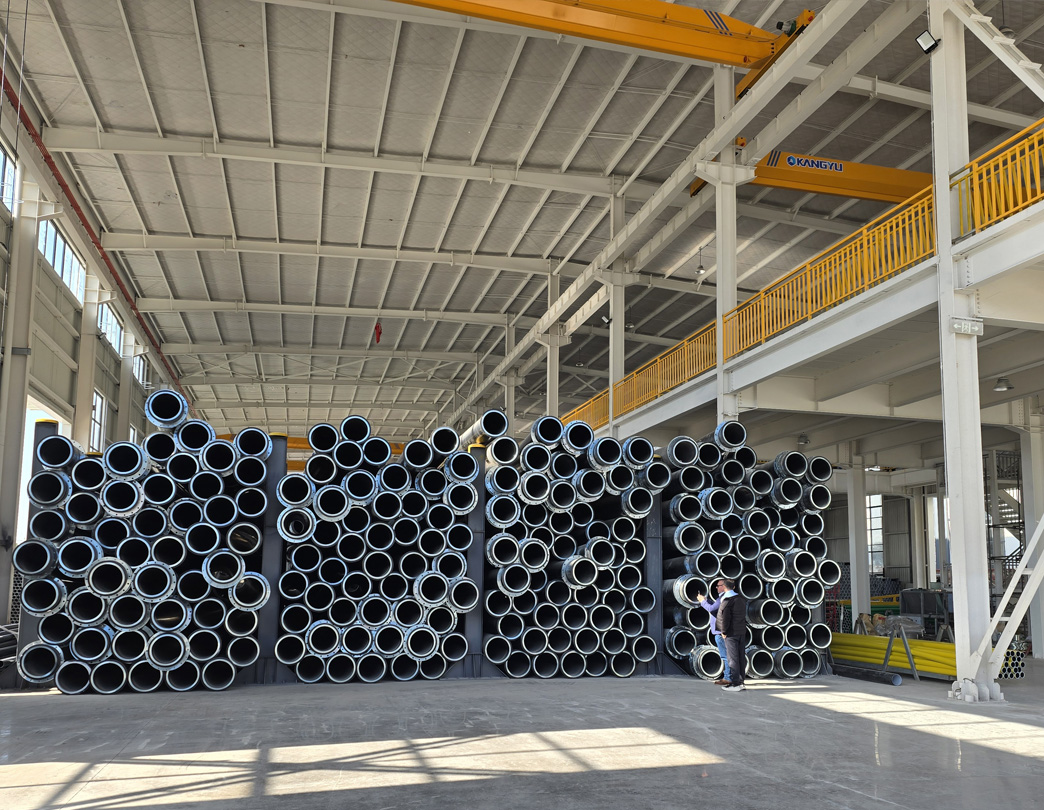

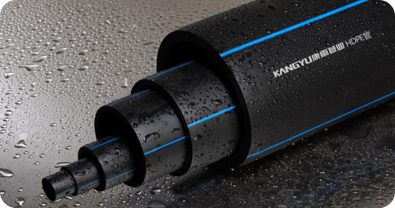
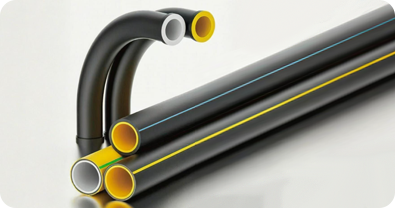
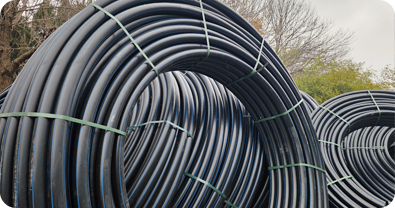
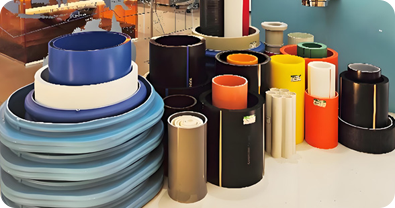
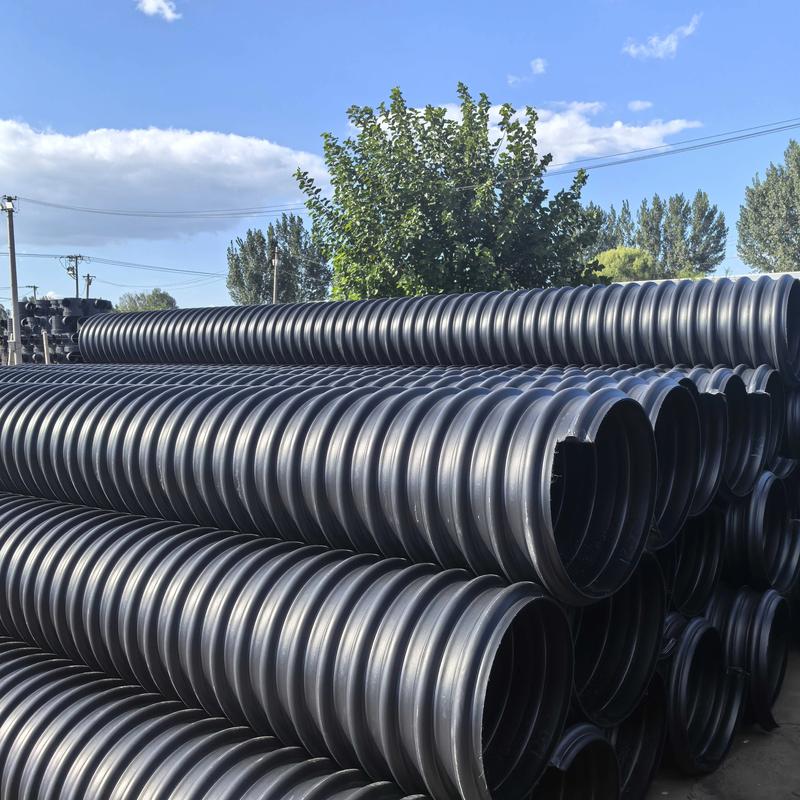
Polyethylene steel strip composite drainage pipe is made of high-density polyethylene as the base material with an embedded spiral steel strip reinforcement structure. It combines the corrosion resistance of plastic and the high strength of steel, making it a mainstream pipe for large-diameter buried drainage and sewage disposal.
The pipe features smooth inner and outer walls, low flow resistance, and no scaling, delivering significantly higher drainage efficiency than traditional pipes. It is acid and alkali resistant, anti-aging, and has a service life of more than 50 years.
With high ring stiffness and strong anti-settlement performance, it can withstand heavy loads and deep burial conditions, suitable for complex geological environments such as soft soil and backfilled soil. The connection is safe and reliable with zero leakage. It is lightweight and easy to install, greatly reducing construction difficulty and overall cost.
It is widely used in municipal rainwater and sewage drainage, industrial wastewater discharge, highway and railway seepage drainage, farmland irrigation and drainage projects, making it an optimal choice for high-standard underground pipe network construction.
Steel strip reinforced composite structure, ultra-high ring stiffness and compression resistance
Reinforced steel belt frame, SN8-SN16 high ring stiffness optional, resistant to deep burial in soil, heavy-duty vehicle rolling, soil extrusion, and not easy to deform and collapse;
Comply with GB/T 19472.3
Steel-plastic combines rigidity and toughness to balance, adapting to geological settlement
The steel belt provides rigid support, and HDPE provides flexible buffering, which can withstand uneven settlement of the foundation, frost heave displacement, and resist bending without cracking;
The inner wall is smooth and low resistance, smooth drainage and not easy to accumulate
The inner wall is made of high-density polyethylene in one piece, with a roughness of ≤0.007mm, low water flow resistance, difficult sedimentation of sediment and debris, and high drainage and sewage efficiency;
PE double-layer coating, steel strip anti-corrosion and rust-free
The inner and outer layers of HDPE completely cover the steel belt to isolate it from soil, sewage, and groundwater erosion. The steel belt will not oxidize, corrode, or peel off;
Elastic rubber ring connection, reliable sealing and anti-leakage
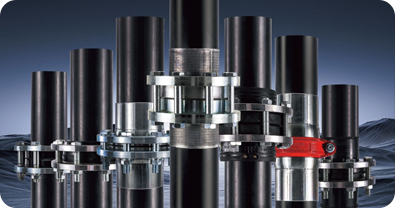
The socket-type rubber sealing ring connection adapts to the thermal expansion and contraction of the pipe and the deformation of the ground to prevent sewage leakage from polluting the water and soil;
Extra large diameter can be customized, suitable for main drainage projects
Can produce large-diameter specifications to meet the large-flow drainage needs of municipal trunk pipe networks, rainwater and sewage diversion, sponge cities, and river drainage;
Light weight, high construction efficiency and low cost
The weight is much lower than that of reinforced concrete pipes, making transportation, hoisting and laying easy, shortening the construction period and reducing civil construction and labor costs;
Wide temperature range and weather resistance, suitable for severe cold and high temperature environments
‑40℃~60℃ stable use, resistant to freeze-thaw cycles, salt spray, ultraviolet rays, applicable to frozen soil in the north and hot and humid areas in the south;
Anti-impact, anti-wear, anti-backfill sand and gravel erosion
The outer layer of HDPE resists the impact of backfill hard objects and the erosion of sand and gravel in sewage. It has a stable structure and low breakage rate in long-term use;
Environmentally friendly and durable, low comprehensive operation and maintenance costs
The material is recyclable, the service life under buried conditions is ≥50 years, no anti-corrosion maintenance is required, and the price/performance ratio is better than that of concrete and pure corrugated pipes.